Becherovka officially enters the Mongolian market: the Czech herbal icon heads for Ulaanbaatar's bars and restaurants
Becherovka officially enters the Mongolian market: the Czech herbal icon heads for Ulaanbaatar's bars and restaurants

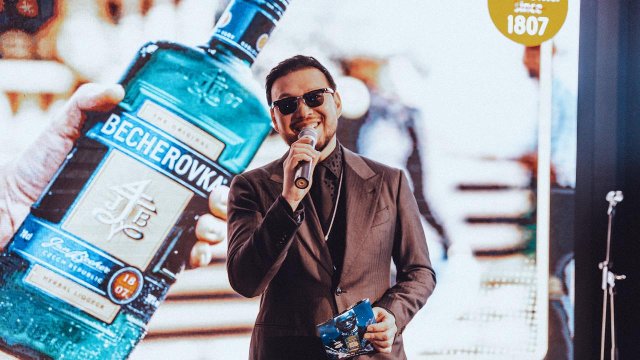
Karlovy Vary's Becherovka, one of the most distinctive symbols of Czech alcohol tradition, was ceremonially launched onto the Mongolian market on 11 May. The official launch in Ulaanbaatar was organized by a local business partner in cooperation with the Polish Maspex Group, which has owned the brand since 2024. The event, attended by representatives of the HoReCa sector, distributors, influencers and journalists, presented the brand in full breadth — from its more than two-hundred-year history, through its signature cocktail Beton, to the marketing campaign that will flood Ulaanbaatar's bars, restaurants and hotels in the coming weeks.
On this occasion the Mongolian partner announced that distribution of Becherovka is already secured across a wide network of Ulaanbaatar establishments, and that in the coming weeks it will be accompanied by an extensive marketing campaign aimed at raising the brand's visibility among Mongolian consumers. During the evening, guests were able to enjoy the traditional Beton — a refreshing cocktail of Becherovka with the Czech tonic River, which is imported by the same importer. The atmosphere was rounded out by a stylish presentation, live music and a rich offering of signature drinks prepared on the spot.
According to forecasts, Mongolia's alcoholic beverage market is set to grow at a rate of 7.61% annually over the 2024–2029 period, reaching a volume of roughly 631.6 million USD in 2029. In the spirits segment, vodka — whose tradition dates back to the Soviet era — remains dominant; the largest domestic distillery company, APU Company, founded in 1924, today accounts for roughly 30% of the Mongolian capital market and produces 28 vodka brands. Per capita consumption of pure alcohol stands at around 7.7–7.9 liters per person aged over 15. Non-alcoholic beverages are growing more dynamically — the total beverage market (beverage sales) is expected to reach 433 million USD by 2026 (up from 372 million USD in 2021), with average annual growth of over 5.9%. This trend is supported by rising interest in premium and imported brands, especially in the capital. It is precisely in this context that the arrival of the iconic Czech herbal liqueur has the potential to enrich the offering with a unique category boasting an authentic European pedigree.
Becherovka's entry into the Mongolian market builds on the growing interest of local consumers in quality imported drinks and European gastronomic brands. In 2024, Mongolia imported beverages, spirits and vinegar worth approximately 106 million USD, underscoring the importance of imports for the local beverage market. At the same time, the Mongolian economy grew at a rate of 6.8% in 2025 and, according to the ADB, household consumption on the demand side also rose significantly, increasing by 9.2% in 2025. The growth is driven primarily by the expansion of the middle class, rising disposable incomes and a shift toward higher-quality products — in recent years a move away from traditional categories toward premium and craft beverages has been evident, with imported spirits in particular being perceived as a more prestigious and higher-quality choice.
The introduction of Becherovka onto the Mongolian market represents another step in expanding the Czech commercial footprint in Mongolia; in recent years Czech beer has built a very good name for itself in Mongolia and has become an important carrier of the positive perception of Czech gastronomy. Becherovka has the potential to build on this success. Its Karlovy Vary origin, long tradition and wide use in cocktails can offer Mongolian customers another distinctive Czech product — this time in the segment of herbal liqueurs and modern bar culture. The Mongolian beverage market offers room for brands able to combine a strong story, quality and an attractive mode of consumption. At the same time, the cocktail scene and bar culture are developing rapidly in Ulaanbaatar, which is an exceptionally favorable environment for a product like Becherovka — traditionally used both as a digestif and as a mixing component. Especially in the capital, where modern gastronomy, bars, restaurants and a younger urban clientele are concentrated, the significance of brands able to appeal to customers not only through the product itself but also through the experience is growing.